
Hydrocolloids in Food: How They Improve Texture & Stability
- 2026-10-30
- Keya Chem Corporation
Understanding how hydrocolloids influence viscosity, texture, suspension, gelling, and stability in food formulations
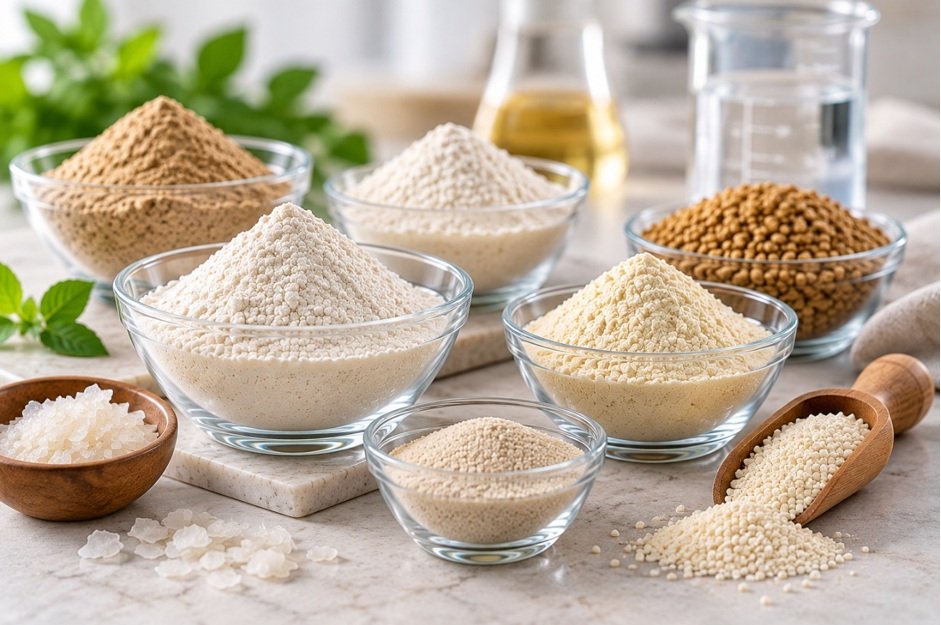
Hydrocolloids may not be something consumers think about when they pick up a food product, but they play an important role in how many products look, feel, and perform.
From the smooth consistency of a sauce to the creamy mouthfeel of a dairy product, hydrocolloids can help food manufacturers control properties such as viscosity, texture, suspension, gelling, moisture behaviour, and physical stability.
They are used across a wide range of food formulations where maintaining consistent product characteristics is important.
However, using a hydrocolloid is not simply about adding a thickener. Different hydrocolloids have different functional characteristics, and the right choice depends on the product, formulation, processing conditions, and desired result.
Quick Answer
What Are Hydrocolloids in Food?
Hydrocolloids are ingredients that interact with water and modify the physical properties of food systems.
Depending on the type and application, hydrocolloids can contribute to:
- Thickening
- Stabilisation
- Gelling
- Suspension
- Moisture management
- Mouthfeel
- Texture control
Their ability to influence these properties makes hydrocolloids important formulation tools in many food applications.
What Are Hydrocolloids?
Hydrocolloids are a group of ingredients that interact with water and can influence the physical behaviour of a food system.
Their functionality can include increasing viscosity, modifying texture, supporting suspension, forming gels, and contributing to physical stability.
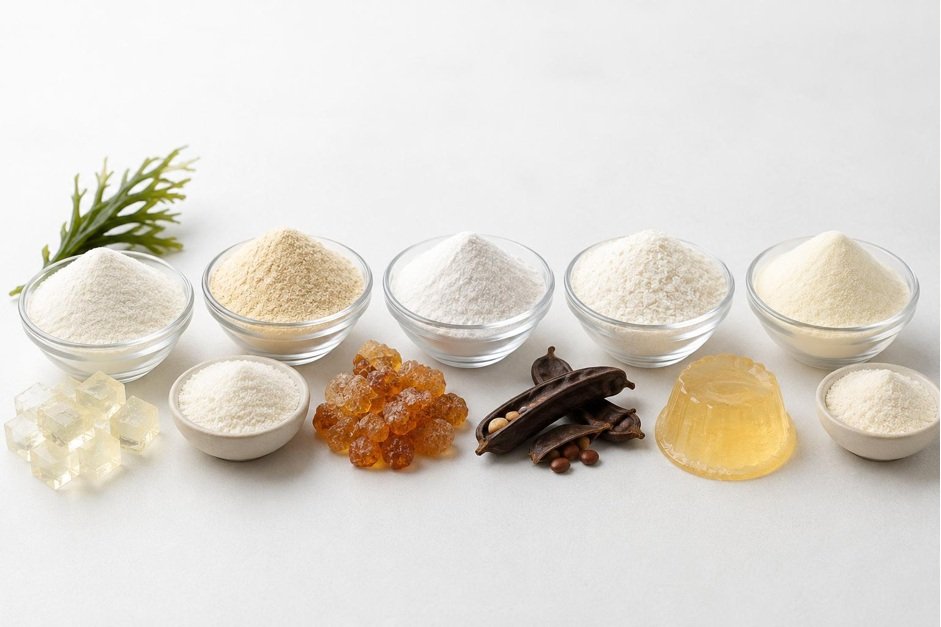
Common hydrocolloids used in food formulations include:
- Xanthan Gum
- Guar Gum
- Carrageenan
- Pectin
- Carboxymethyl Cellulose (CMC)
- Locust Bean Gum
Different hydrocolloids are not interchangeable. Their performance depends on their individual characteristics and how they interact with the rest of the formulation.
In simple terms:
Hydrocolloid + Water + Formulation Conditions → Desired Functional Properties
The exact result depends on the hydrocolloid, dosage, processing conditions, and food system.
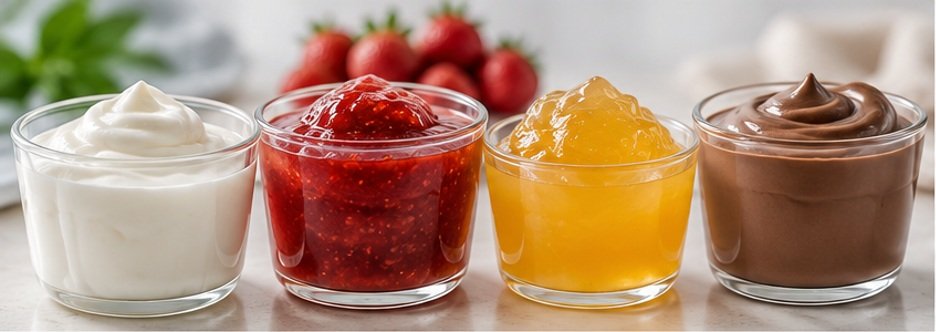
Why Are Hydrocolloids Used in Food?
Hydrocolloids are used because food manufacturers often need to control more than one physical property at the same time.
Depending on the application, a hydrocolloid may help with:
Viscosity
Hydrocolloids can increase or modify the thickness and flow behaviour of a product.
Texture
They can contribute to the desired mouthfeel and physical structure.
Suspension
They can help maintain a more uniform distribution of certain particles or components.
Stabilisation
They can contribute to maintaining desired physical characteristics during processing and storage.
Gelling
Certain hydrocolloids can form or contribute to gel structures when appropriate formulation conditions are present.
Moisture Management
Hydrocolloids can influence how water behaves and is distributed within a food system.
This combination of functions makes hydrocolloids useful across many different food categories.
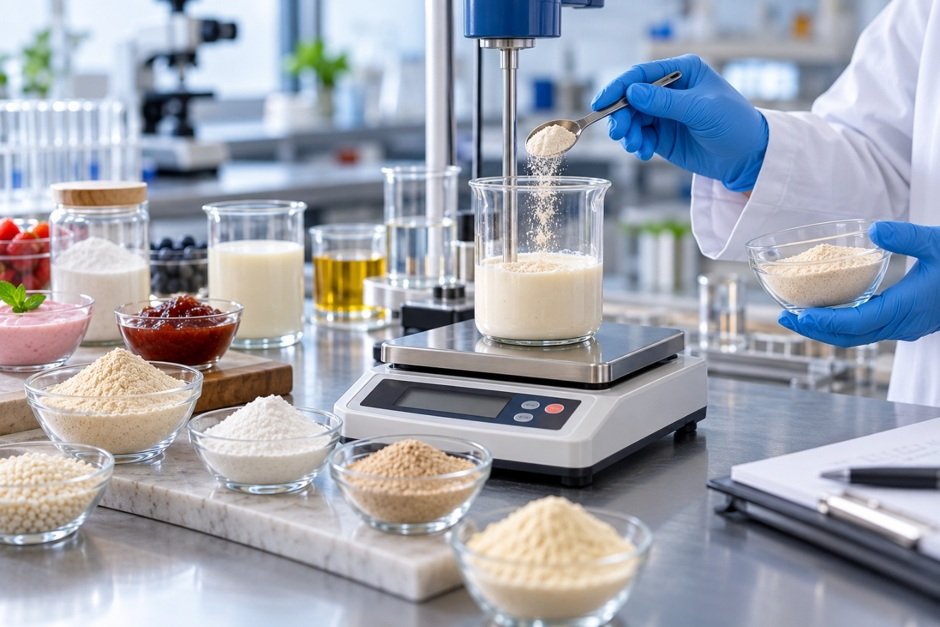
How Do Hydrocolloids Work in Food Formulations?
Hydrocolloids primarily work through their interaction with water and other components of the food system.
When properly hydrated, they can modify the physical properties of the formulation.
Their performance can be influenced by:
Water Availability → Concentration → Temperature → pH → Mixing/Shear → Ingredient Interactions
This means the same hydrocolloid can perform differently depending on how it is incorporated and the conditions under which it is processed.
For this reason, simply selecting a hydrocolloid based on its name is not enough. The formulation and processing environment also need to be considered.
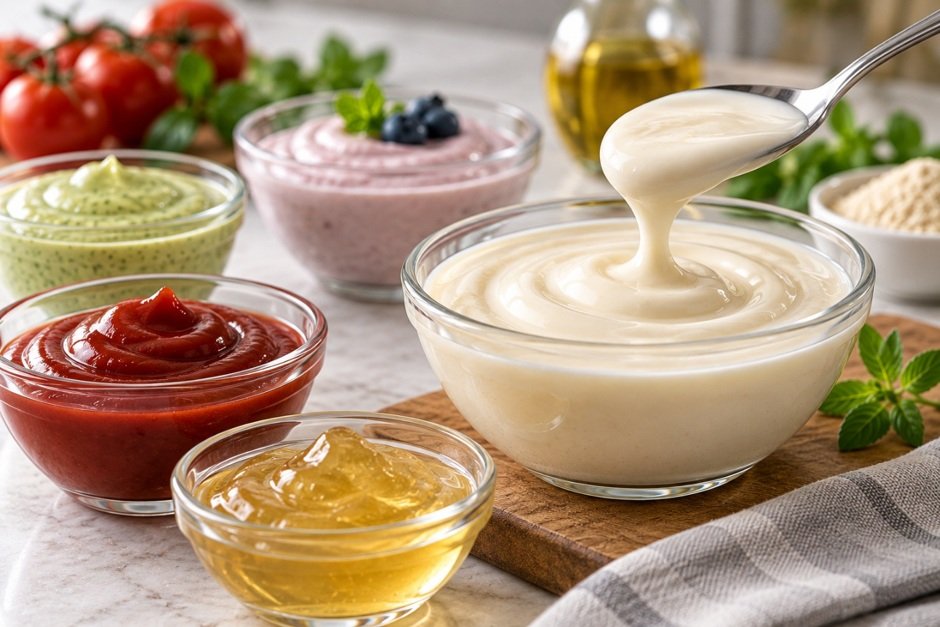
How Do Hydrocolloids Improve Texture?
Texture is more than how a product feels in the mouth. It also contributes to the overall perception and consistency of the finished product.
For example:
- A sauce may need to be smooth and pourable.
- A dairy product may require a creamy mouthfeel.
- An ice cream formulation may require appropriate body and structure.
- A bakery product may need to maintain its desired structure and moisture distribution.
Hydrocolloids can help formulators achieve these characteristics by modifying the way water behaves within the food system.
The objective is not simply to make a product thicker.
The objective is to achieve the right texture for the specific application.
How Do Hydrocolloids Support Food Stability?
Food products can undergo changes during:
- Processing
- Transportation
- Storage
- Temperature fluctuations
- Handling
Depending on the formulation, these changes may result in separation, settling, changes in viscosity, or changes in texture.
Hydrocolloids can contribute to physical stability by modifying viscosity, supporting suspension, and influencing the structure of the food system.
However, the effect depends on the specific hydrocolloid, concentration, processing conditions, and interaction with other ingredients.
Therefore, hydrocolloid selection should always be considered within the complete formulation.
What Is the Difference Between Thickening and Stabilisation?
Thickening and stabilisation are related but not identical functions.
Thickening
Thickening primarily refers to increasing or modifying the viscosity of a food system.
Stabilisation
Stabilisation refers more broadly to helping maintain desired physical properties such as consistency, suspension, and resistance to unwanted changes.
A hydrocolloid may perform both functions depending on the ingredient and formulation.
For example, an ingredient may increase viscosity while also helping maintain suspended components within a product.
This is why a hydrocolloid should be selected based on the complete functional requirement rather than one property alone.
Different Hydrocolloids, Different Functions
There is no single hydrocolloid that works equally well for every food application.
Different hydrocolloids may be selected for different functional characteristics.
Hydrocolloid | Common Functional Characteristics | Example Applications |
Xanthan Gum | Thickening, viscosity control, suspension | Sauces, dressings, beverages, bakery |
Guar Gum | Thickening, texture modification | Dairy, ice cream, sauces, bakery |
Carrageenan | Gelling, thickening, stabilisation | Dairy and formulated food products |
Pectin | Gelling, texture and stabilisation | Jams, fruit preparations, beverages |
CMC | Viscosity control, stabilisation | Beverages, sauces, bakery |
Locust Bean Gum | Thickening, texture modification | Dairy and frozen desserts |
The actual performance depends on the grade, dosage, formulation, and processing conditions.
What Factors Affect Hydrocolloid Performance?
Choosing the right hydrocolloid is only one part of the formulation process.
Several factors can influence its final performance.
Product Type
A beverage has different requirements from an ice cream, sauce, or bakery product.
pH
The pH of the formulation can influence the behaviour of some hydrocolloids.
Temperature
Heating and cooling conditions can affect functionality.
Concentration
The amount used can significantly influence viscosity and texture.
Water Availability
Hydration conditions are particularly important because hydrocolloids interact with water.
Processing Conditions
Mixing, shear, heating, and cooling can influence how a hydrocolloid performs.
Ingredient Interactions
The hydrocolloid does not function independently. Its behaviour depends on its interaction with other formulation components.
Hydrocolloids in Different Food Applications
The required functionality changes depending on the product.
Hydrocolloids in Dairy Products
Dairy formulations may require control over:
- Texture
- Viscosity
- Creaminess
- Body
- Physical stability
Hydrocolloids can be considered in products such as yogurt, dairy desserts, and other formulated dairy products where maintaining the desired texture and consistency is important.
Hydrocolloids in Ice Cream and Frozen Desserts
Frozen products require careful control of texture and structure.
Hydrocolloids can contribute to:
- Smooth texture
- Body
- Consistency
- Structural stability
- Controlled physical behaviour during storage
Guar Gum and Locust Bean Gum, among others, may be considered depending on the formulation and desired product characteristics.
Hydrocolloids in Sauces and Dressings
Sauces and dressings commonly require controlled viscosity and uniformity.
Hydrocolloids may help:
- Control thickness
- Improve suspension
- Support consistency
- Reduce unwanted separation
Xanthan Gum and Guar Gum are examples of hydrocolloids used in formulations where these properties are required.
Hydrocolloids in Beverages
Beverages may contain components that need to remain evenly distributed.
Hydrocolloids can contribute to:
- Suspension
- Viscosity control
- Uniformity
- Physical stability
However, the level of hydrocolloid needs to be appropriate for the desired drinking characteristics.
Hydrocolloids in Bakery Products
In bakery formulations, hydrocolloids can influence:
- Dough properties
- Moisture distribution
- Structure
- Texture
They may be particularly useful where maintaining structure and consistent texture is a formulation challenge.
In some gluten-free bakery formulations, for example, Xanthan Gum may be considered for its contribution to structure and texture.
Why Is the Right Hydrocolloid Important?
More hydrocolloid does not necessarily mean better performance.
The objective is to achieve the required functionality while maintaining the desired:
- Taste
- Texture
- Mouthfeel
- Appearance
- Processing behaviour
- Product stability
A formulation that uses too much of an ingredient may produce undesirable characteristics such as excessive thickness or an unsuitable mouthfeel.
Therefore, the goal is functional balance, not simply maximum viscosity or maximum stability.
Can Two or More Hydrocolloids Be Used Together?
Yes. Two or more hydrocolloids can be combined when their functional properties complement each other.
A formulation may require a combination of:
Viscosity + Texture + Suspension + Stability
Using more than one hydrocolloid can sometimes help formulators achieve a balance that is difficult to obtain with a single ingredient.
However, there is no universal hydrocolloid combination for every product.
The appropriate combination depends on:
- Product type
- Desired functionality
- Processing conditions
- Dosage
- Ingredient interactions
- Target texture
How Do You Choose the Right Hydrocolloid?
The selection process should begin with the desired product outcome.
- What Function Is Required?
Is the primary requirement thickening, suspension, gelling, stabilisation, or texture modification?
- What Texture Is Desired?
Should the product be smooth, creamy, structured, pourable, or another consistency?
- What Are the Processing Conditions?
Consider mixing, heating, cooling, and shear.
- What Is the pH?
The formulation’s pH can affect hydrocolloid performance.
- How Much Water Is Available?
Hydration conditions can strongly influence performance.
- What Other Ingredients Are Present?
Interactions between ingredients can affect the final result.
- What Storage Conditions Apply?
The formulation should maintain its desired characteristics during its intended storage period.
Hydrocolloids Are Formulation Tools, Not Just Thickeners
One of the most important points to understand about hydrocolloids is that their role goes beyond thickening.
Depending on the ingredient and application, hydrocolloids can contribute to:
Texture + Viscosity + Suspension + Gelling + Stability + Moisture Management
This is why they are considered valuable formulation tools across different food categories.
The right hydrocolloid is the one that provides the required functionality within the complete food system.
Frequently Asked Questions About Food Ingredient Functionality
What Are Hydrocolloids in Food?
Hydrocolloids are ingredients that interact with water and modify the physical properties of food systems. They can contribute to thickening, stabilisation, gelling, suspension, moisture management, and texture control.
What Do Hydrocolloids Do in Food?
Hydrocolloids can influence viscosity, texture, suspension, gelling, moisture behaviour, and physical stability depending on the ingredient and formulation.
Why Are Hydrocolloids Used in Food?
They are used to help manufacturers achieve desired physical properties such as viscosity, texture, structure, suspension, and stability.
Do Hydrocolloids Only Work as Thickeners?
No. Hydrocolloids can perform several functions. Depending on the type and application, they may contribute to thickening, stabilisation, gelling, suspension, texture modification, and moisture management.
Are All Hydrocolloids the Same?
No. Different hydrocolloids have different functional characteristics and may perform differently depending on the formulation and processing conditions.
Is Xanthan Gum a Hydrocolloid?
Yes. Xanthan Gum is a hydrocolloid commonly used for functions such as thickening, viscosity control, suspension, and consistency.
Is Guar Gum a Hydrocolloid?
Yes. Guar Gum is a hydrocolloid commonly used for thickening and texture modification and can contribute to physical stability in suitable formulations.
Can Hydrocolloids Be Used Together?
Yes. Multiple hydrocolloids can be combined when their properties complement each other and the formulation requires more than one functional characteristic.
How Do I Choose a Hydrocolloid?
Start with the required function and then consider the product type, desired texture, pH, temperature, processing conditions, water availability, dosage, ingredient interactions, and storage conditions.
Are Hydrocolloids Suitable for Every Food Application?
No. The appropriate hydrocolloid depends on the specific food application and desired functionality. Ingredient selection should be evaluated within the complete formulation.
Final Thought
A successful food formulation is built around balance.
The right hydrocolloid, used at an appropriate level and under suitable processing conditions, can help manufacturers manage texture, viscosity, suspension, gelling, and stability.
But hydrocolloids should not be viewed simply as ingredients added to make a product thicker.
They are formulation tools whose performance depends on the ingredient, application, formulation, and processing environment.
Understanding this functionality is the first step toward making better ingredient and formulation decisions.
Keya Chem
At Keya Chem, we believe that understanding the functional role of food ingredients is an important part of developing reliable and consistent formulations.
Our approach is centred on understanding the application, formulation requirements, and desired product performance when evaluating food-ingredient solutions.
Looking for the right hydrocolloid for your food formulation?
Talk to our team about your application requirements.

Worldwide Shipping
Door Step Delivery with care

Quality Products
Feel the Premium

Our Office Timing
Monday to Saturday : 9.30 AM to 5.30 PM | Sunday : Closed

Genuine Products
100% Satisfaction Guarantee
CALL US ON
MAIL US ON
VISIT US ON
- Plot No. 86/4, Near Kishan Brother Weigh-Bridge, Phase I, Vatva GIDC, Ahmedabad, Gujarat - 382445